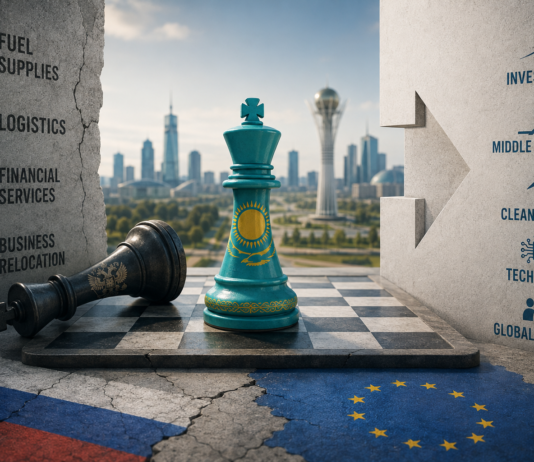

Preventing Kazakhstan from Becoming Russia’s Economic Lifeline: A Strategy for Ukraine and Its Allies
Analytical Group of the Foundation for the Defense of Democracy in Central Asia
Introduction
In July 2026, Kazakh President Kassym-Jomart Tokayev made one of his strongest...
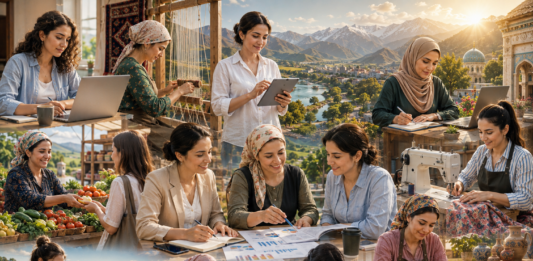
Unlocking Women’s Potential as an Essential Component of Tajikistan’s Modernization
Sharofiddin Gadoev,President of the Foundation for the Defense of Democracy in Central Asia
1. Women as a Factor of National Development: Between Tradition and Modernization
This...

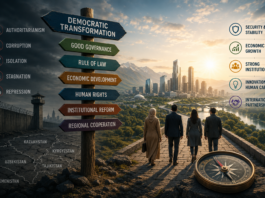
Central Asia’s Democratic Forces in a New International Environment
Analytical Group of the Foundation for the Defense of Democracy in Central Asia
Introduction
For more than three decades following the end of the Cold War,...
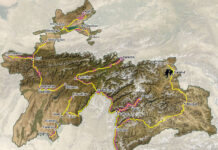
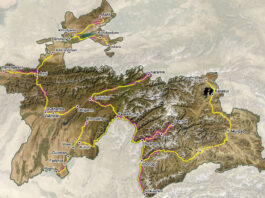
Tajikistan’s Geoeconomic Potential: From Stagnation to Realization
Sharofiddin Gadoev,President of the Foundation for the Defense of Democracy in Central Asia
What Is Happening to Tajikistan’s Geoeconomic Potential?
Tajikistan possesses one of the most...
Islam, Modernization, and the Post-Colonial Transformation of Central Asia:Toward a Strategy of Umranism
Analytical Group of the Foundation for the Defense of Democracy in Central Asia
Introduction
Over the past three decades, Post-Soviet Central Asia (PSCA) has undergone several...
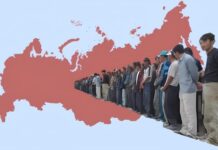
Migration Dependence of Central Asia on Russia: Current State and Prospects for Overcoming It
Analytical Group of the Foundation for the Defense of Democracy in Central AsiaIntroduction
Labor migration remains one of the key structural factors shaping the socio-economic...
