
by Sharofiddin Gadoev, Vice President
The Foundation for Defence of Democracy in Central Asia (FDDCA)
A Chronicle of Anti-Migrant Violence in Russia
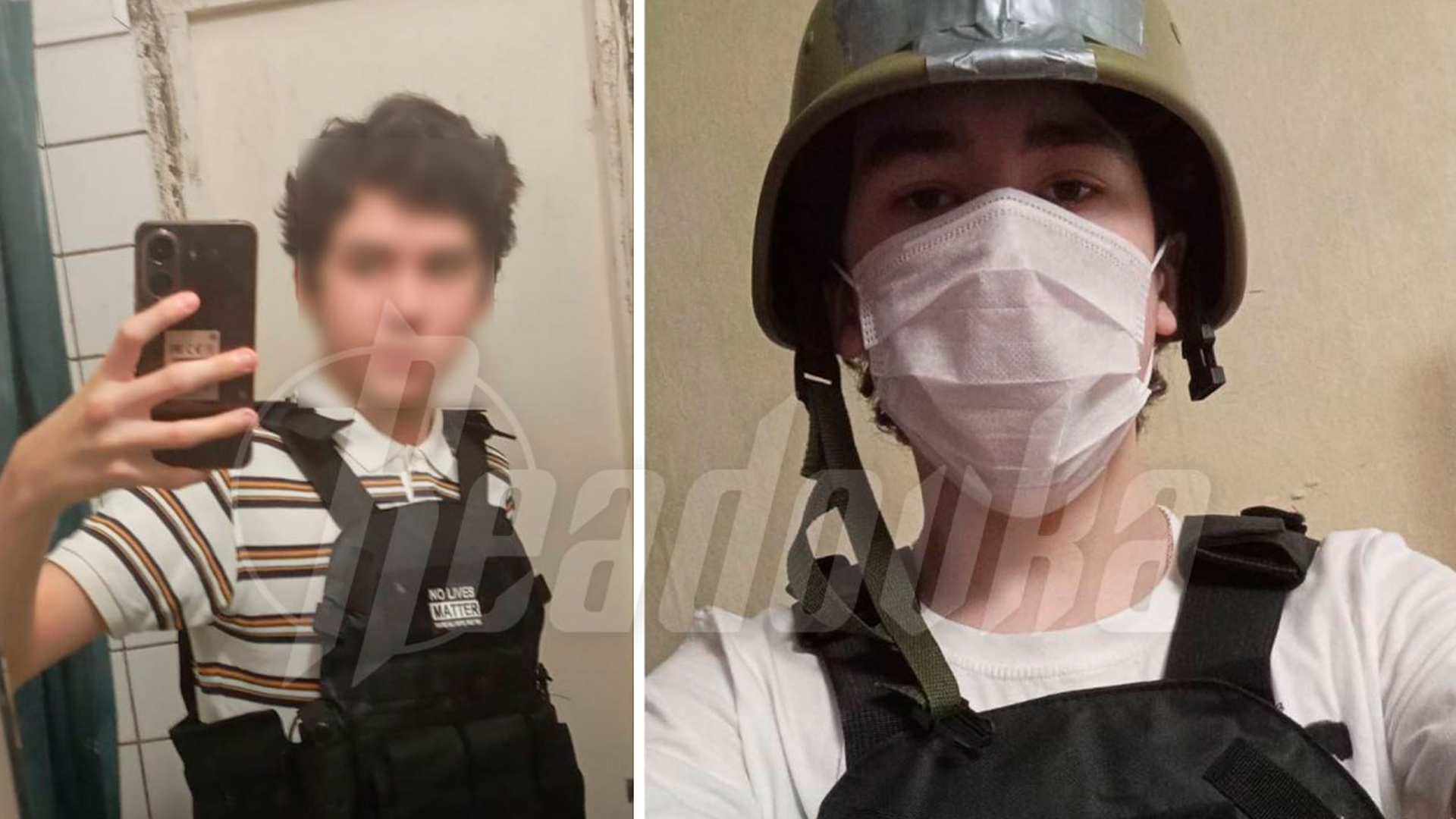
The killing of ten-year-old Tajik schoolboy Kobiljon Aliev by a fifteen-year-old Russian attacker at a school in the Moscow region shocked millions of people and prompted the Russian president, Vladimir Putin, to express condolences to his Tajik counterpart Emomali Rahmon.
At the same time, the incident became a particularly visible illustration of a broader pattern of violence affecting Tajiks and other migrants in Russia — a pattern that has persisted for many years despite official statements condemning xenophobia.
In recent decades, the killing of Kobiljon Aliev has been preceded by a number of fatal incidents involving Central Asian children in Russia in which ethnic background was widely discussed as a relevant factor, including:
- the killing of six-year-old Daler Bobiev by his guardians in 2022;
- the abduction, sexual assault, and murder of five-year-old Khuvaydo Tillozoda in the Moscow region town of Serpukhov in 2018;
- the death in 2015 of five-month-old Umarali Nazarov after his removal from parental custody by authorities;
- the fatal stabbing of nine-year-old Khursheda Sultanova by skinheads in 2004;
- the killing of six-year-old Nilufar Sangboeva in 2003.
These cases concern only child victims, while the total number of killings of Tajiks and other Central Asians — as well as people from the Caucasus and other non-Russian minorities — in incidents reported as ethnically motivated reaches into the hundreds. In 2007, neo-Nazis recorded and published online the execution-style killing of a Tajik and a Dagestani victim carried out explicitly on ethnic grounds.
Beyond Extremists: Structural Factors
Because many of these attacks were carried out by members of extremist groups — some of whom have also opposed the Russian authorities — it may appear that the state bears no connection to them and, on the contrary, condemns such violence.
However, these acts can also be viewed as the most visible manifestations of a broader environment of physical, informational, and political pressure affecting Central Asian migrants. Several factors point to the role of state discourse and institutional practices in shaping this environment:
- the incorporation into state-aligned military and paramilitary structures of individuals associated with ultranationalist militant groups;
- the tolerance shown by security services toward organized nationalist vigilante movements conducting anti-migrant raids;
- and sustained anti-migrant rhetoric promoted by prominent figures within the political establishment.
Ultranationalist Militants and the State
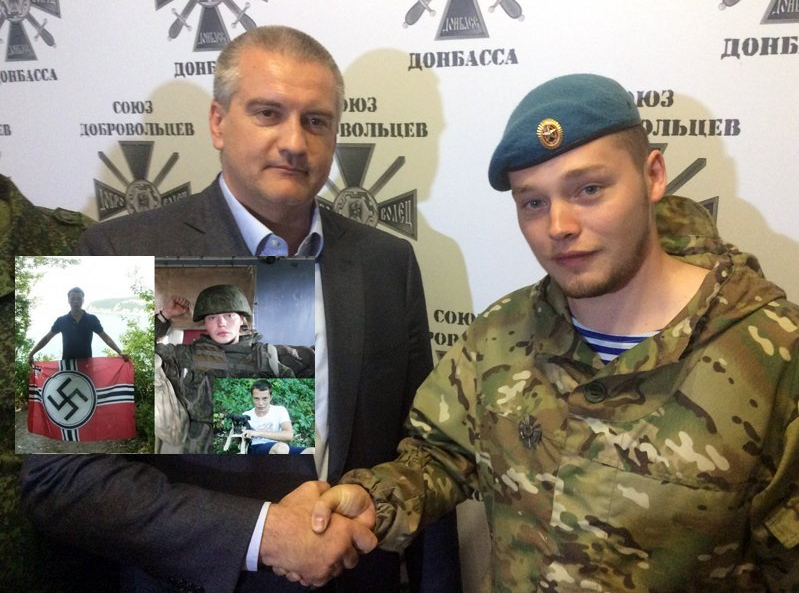
Despite official rhetoric about combating Nazism abroad, the Russian political system has for years demonstrated a pattern of cooperation with, or incorporation of, figures associated with extremist ultranationalist movements.
One example frequently cited by observers is Dmitry Utkin, known by the call sign “Wagner,” one of the founders and field commanders of the Wagner private military company, which operated in close coordination with Russian state structures before its later conflict with the authorities. Utkin was widely reported to have expressed admiration for Nazi symbolism.
Another case concerns Alexey Milchakov, commander of the DShRG “Rusich” unit. Milchakov has publicly embraced neo-Nazi imagery and rhetoric and has been linked in media reporting to acts of violence both before and during the Russia–Ukraine war, including statements advocating extreme measures against perceived enemies. Reports also indicate that he has participated in patriotic educational events in Russian schools.
A further unit composed of militants with similar ideological affiliations has been associated with the formation known as “Española.”
Journalist Dmitry Steshin has also been linked by researchers to circles surrounding the violent extremist organization BORN (the Combat Organization of Russian Nationalists), which in the 2000s carried out attacks against minorities and anti-fascist activists. Another participant in that group, Yevgenia Khasis — convicted for involvement in the 2009 murder of lawyer Stanislav Markelov and journalist Anastasia Baburova — later publicly stated that contemporary Russian policy reflected goals once pursued by such activists.
These examples are cited not simply as evidence of nationalist sentiment within state structures but as indications of the presence, in certain contexts, of actors associated with militant ultranationalism who have been integrated into military or propaganda activities.
State-Aligned Nationalism
While openly extremist actors are sometimes utilized instrumentally, nationalism itself has become a significant component of official political discourse.
President Vladimir Putin has on several occasions described himself and his supporters in national terms, and many scholars interpret the ideology and political practices of the current Russian system as forms of state-centered nationalism.
Given the highly centralized and restrictive nature of the political environment — in which unsanctioned public protest is criminalized and independent civic organizations face severe limitations — the open activity of mass paramilitary ultranationalist groups such as “Russkaya Obshchina,” “Severny Chelovek,” and similar movements is difficult to explain without at least tacit tolerance from authorities. Some analysts argue that such organizations function within broader security-linked networks.
These movements actively promote xenophobic narratives, including hostility toward migrants from Central Asia and, at times, toward Muslim communities from within Russia itself. In certain cases they have cooperated with law-enforcement agencies during anti-migrant raids.
Elite Rhetoric and Xenophobic Discourse
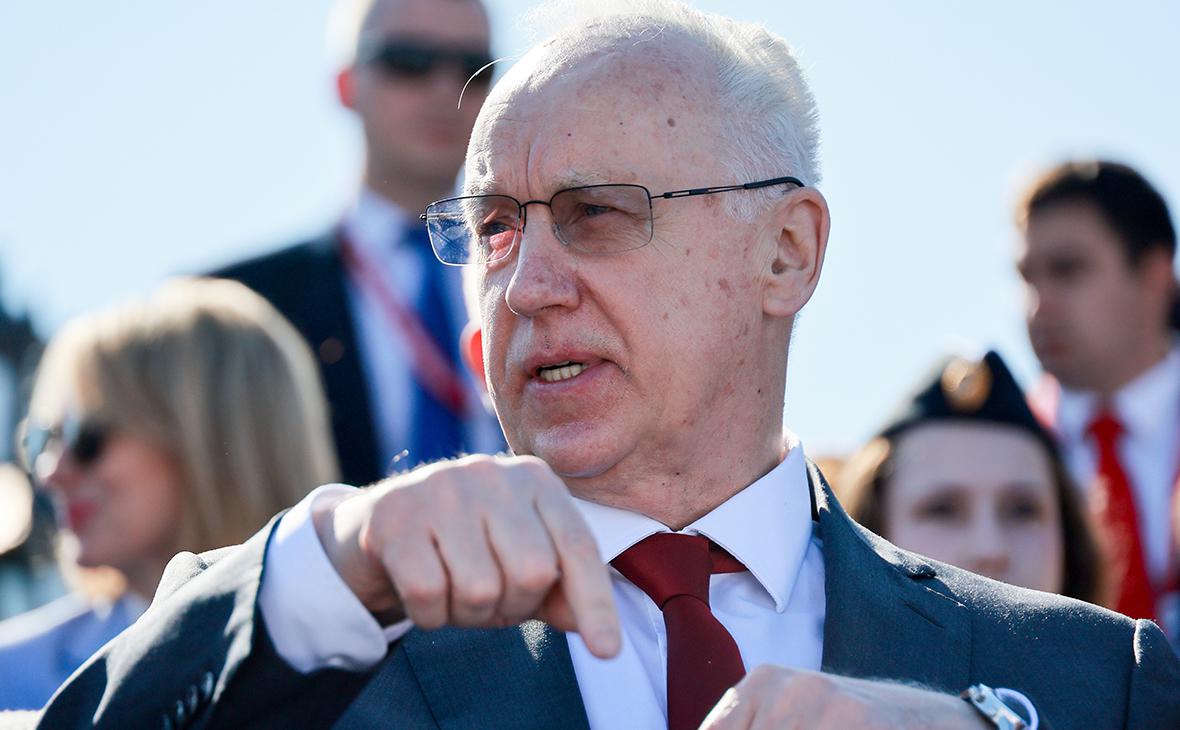
Unlike pluralist political systems in which governing coalitions consist of competing parties, the Russian political system is highly centralized, and senior officials are appointed within a vertical structure of authority. Consequently, when high-ranking figures publicly articulate exclusionary or anti-migrant positions, these statements are often interpreted by observers as reflecting broader ideological tendencies within the state rather than isolated personal opinions.
A number of prominent officials have repeatedly made statements concerning migration that critics describe as contributing to hostility toward migrants, particularly Muslims from Central Asia. Among those most frequently mentioned are Alexander Bastrykin, Kirill Kabanov, and Valery Fadeyev. Similar rhetoric has also appeared in statements by other representatives of the political establishment, including senior clerical leadership of the Russian Orthodox Church and members of the State Duma.
Observers argue that such discourse contributes to a public environment in which migrants are increasingly portrayed as a security or cultural threat.
Encouraged Xenophobia and Suppressed Advocacy
Further evidence cited by analysts concerns the asymmetry in the state’s response to different forms of civic activity. While nationalist mobilization often proceeds with limited interference, organizations and individuals engaged in migrant-rights advocacy face substantial pressure.
In 2023, migrant-rights activist Bakhrom Khamroev was sentenced to a lengthy prison term for activities connected with defending the rights of Central Asian migrants and Muslim communities in Russia. Reports from rights groups have described harsh treatment during his imprisonment.
During the same period, the human rights organization Memorial — which had documented political repression and also advocated for migrants’ rights — was effectively forced out of legal operation.
After publicly stating that Uzbek culture should not be considered inferior to Russian culture, Moscow Uzbek diaspora leader Bakhrom Ismailov was subjected to legal pressure, and arrests of diaspora leaders have periodically occurred, especially during times of diplomatic tension with their countries of origin.
In 2025, activist Karimjon Yorov was placed on a wanted list after launching an information project aimed at supporting Central Asian migrants in Russia.
Taken together, these developments suggest that while nationalist actors may operate publicly, organized advocacy on behalf of migrants has increasingly limited space within the political system. Analysts therefore interpret Russia’s migration environment as shaped by a restrictive and assimilationist policy framework.
A Fabricated “Genocide” as a Justification for Real-World Violence
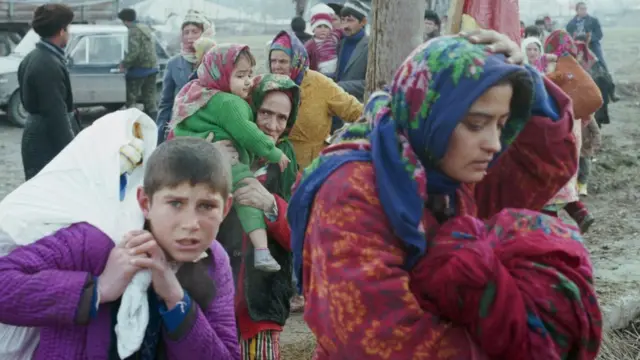
One backdrop to the spread of anti-Tajik sentiment in Russia has been a long-running narrative alleging a so-called “genocide of Russians” in post-Soviet Tajikistan. Over many years, this claim has circulated through mass-media commentary as well as semi-amateur online content, typically describing the 1990s as a period in which Russians were allegedly subjected to systematic killings and violence.
The narrative frames Tajiks as inherently hostile and thereby facilitates their dehumanization in the public sphere. For some audiences, this representation is used to rationalize abusive treatment.
At the same time, the claim has been disputed in critical assessments and rejected by Tajik officials. Russian authorities, although aware of the controversy surrounding the allegation, have largely refrained from public counter-statements despite their readiness to penalize other forms of disinformation.
Analysts frequently connect this selectivity with a broader political interest in maintaining mobilizable xenophobic sentiment within society.
Central Asians as a Stigmatized Underclass and Wartime Manpower

Dehumanizing portrayals of Central Asians — reinforced both by public narratives and cultural stereotypes — contribute to an environment in which violence may be perceived as legitimate, whether through extremist attacks or through practices framed as lawful.
One cited pattern involves lethal security operations against Central Asian suspects under claims of counterterrorism. However, the most consequential mechanism for mass casualties has emerged in the context of Russia’s full-scale war against Ukraine.
The 2024 requirement of military registration for naturalized migrants accelerated recruitment into the war. Russian officials reported tens of thousands of such mobilizations, and reports have also documented coercive pressure to sign military contracts among Central Asian prisoners in Russian penal colonies.
By the end of 2025, estimates circulating in regional reporting suggested that approximately 1,500 Central Asian natives had been killed in the conflict.
From this perspective, analysts describe a cumulative pattern of violence affecting Central Asians in the post-Soviet period — from racially motivated attacks and counterterrorism operations to wartime mobilization.
Rahmon’s Policy: Between Declarative Protection and Structural Dependence

Official Dushanbe periodically issues declarative responses to severe violations of Tajik citizens’ rights in Russia. Such statements often provoke criticism among Russian nationalist commentators. This dynamic was visible both after the 2024 Crocus City Hall attack and following the killing of Kobiljon Aliev.
However, even when Moscow responds with symbolic gestures such as official condolences, the underlying policies affecting migrants rarely change. Reports of continued raids targeting migrants and the ongoing public role of ultranationalist actors have reinforced this perception.
Observers often explain this situation through Tajikistan’s structural dependence on Russia. The country hosts a major Russian military presence, and remittances from migrants working in Russia constitute a substantial share of national income. Under these conditions, the Tajik leadership has limited capacity for confrontation with Moscow.
From this perspective, a more substantive defense of national dignity would require reducing military and economic dependency and pursuing domestic development policies enabling citizens to secure livelihoods within their own country rather than under vulnerable conditions abroad.
