
By the Analytical Group of the Foundation for the Defence of Democracy in Central Asia (FDDCA)
West–Central Asia: A Changing Agenda
For many years, democratic opposition movements and civil societies in the post-Soviet Central Asian states (PSCA) have focused on informing the international community — including Western audiences — about human rights violations, corruption, authoritarian governance, and the absence of civil liberties in their countries.
This activity remains important and should continue. However, the Western world has entered a new historical era and is increasingly interested in a different type of engagement and a different analytical framework regarding regions beyond its borders.
The “end of history” thesis, formulated by Francis Fukuyama and widely popular at the turn of the 1980s–1990s, is now largely treated with irony in Western expert circles. Emerging in the context of the collapse of the Soviet bloc and the end of the Cold War, it predicted the global triumph of liberal democracy and the universal normative leadership of the West.
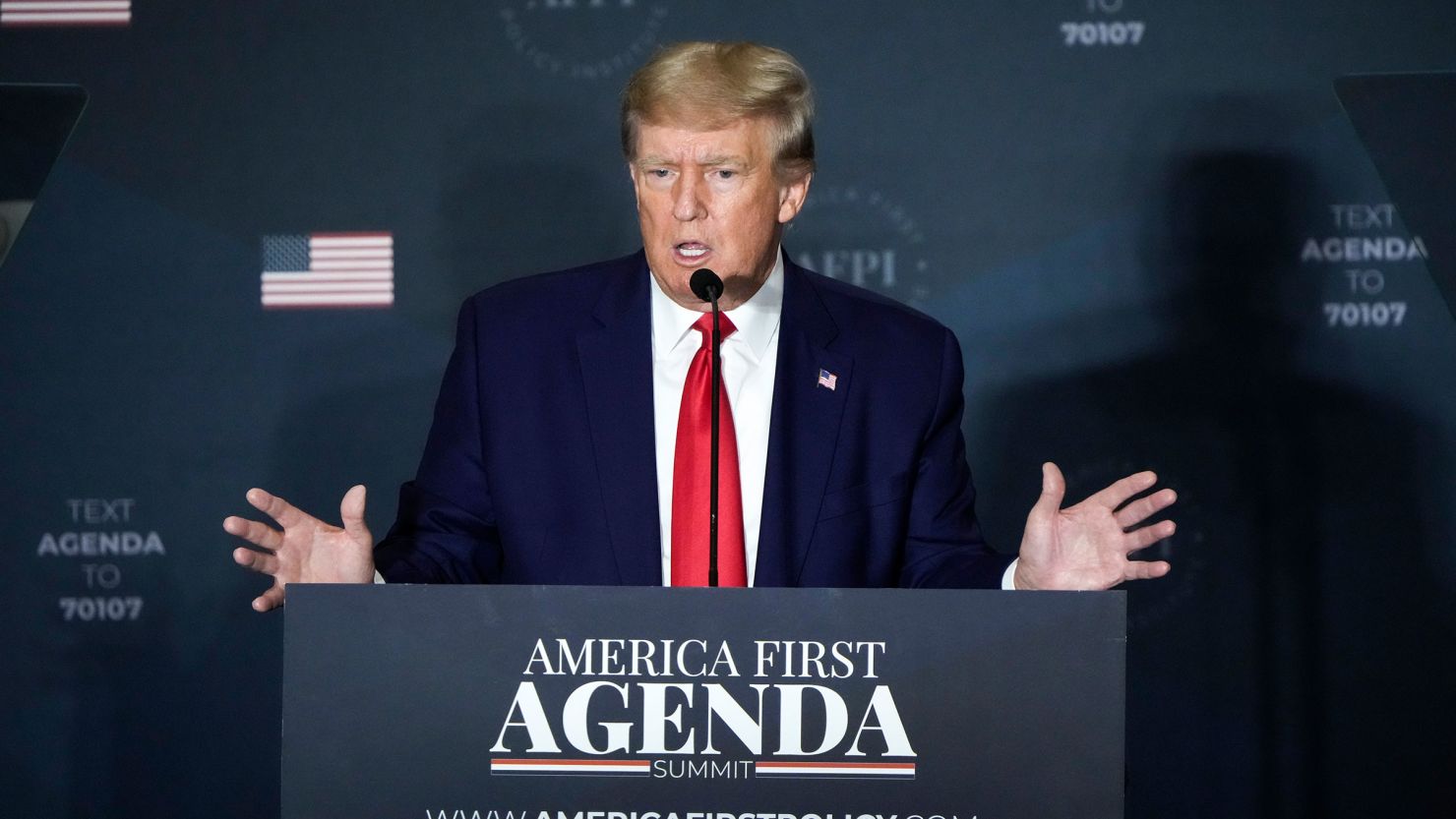
Today, Western policy approaches have shifted. The United States openly emphasizes national pragmatism and interest-based foreign policy, while the European Union — though still rhetorically committed to democratic values — is increasingly focused on geopolitical and economic resilience in a rapidly changing international system.
In these conditions, reform-minded actors in Central Asia should not expect Western altruism. Western interests in the region are primarily linked to the containment of terrorism, migration pressures, and narcotics trafficking, as well as access to energy resources and profitable economic opportunities.
At the same time, Western policymakers should recognize that relying exclusively on cooperation with incumbent authorities in PSCA states limits the effectiveness of engagement and creates long-term strategic risks.
Risks for the West in Contemporary Central Asia

Analysis of Turkmenistan’s geoeconomic and geopolitical potential shows that the country — and its international partners — currently utilize only a small portion of its capabilities due to the structure of its political and economic system.
This conclusion applies, to varying degrees, to other PSCA countries. It is most pronounced in Turkmenistan and Tajikistan, which have the most closed and corrupt political systems. It is less severe in Kazakhstan and Uzbekistan, whose authoritarian systems are more open to economic cooperation, though still limited. Kyrgyzstan is currently undergoing a reverse trajectory — from a relatively pluralistic system toward a more authoritarian and criminalized governance model accompanied by anti-Western rhetoric.
Across the region, several structural vulnerabilities affect both domestic development and international partners:
- corruption;
- large-scale labor migration and its consequences;
- religious radicalization and terrorism risks;
- unresolved interethnic tensions;
- growing Chinese influence;
- vulnerability to Russian revisionism.
Corruption
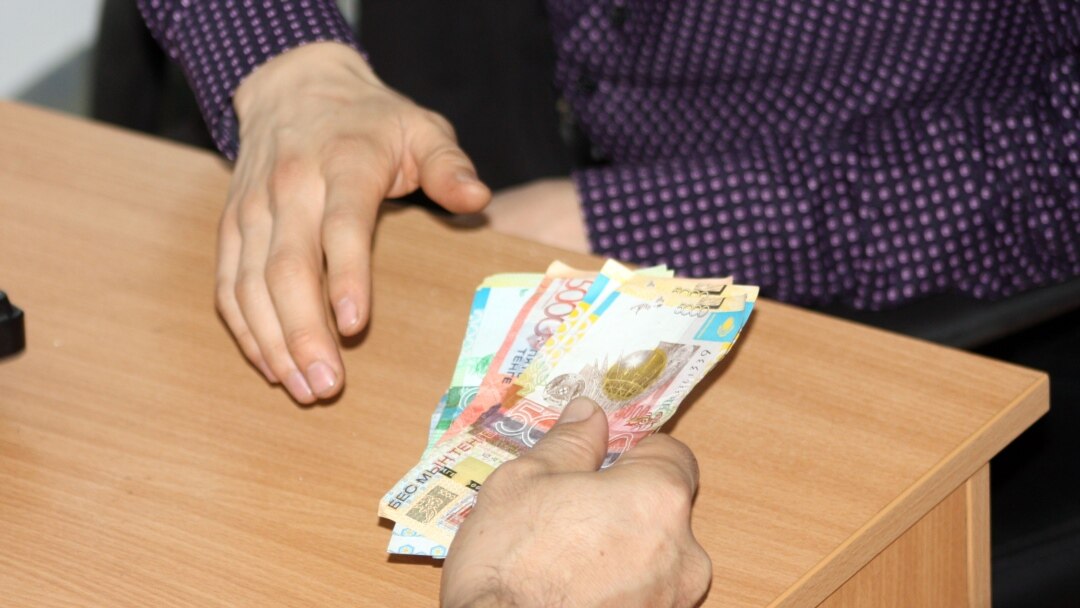
Corruption in Central Asia should be understood not only as an ethical concern but as a structural economic and security problem. It diverts capital into informal sectors, reduces tax capacity, discourages foreign investment, and increases the risk of sudden social instability.
Available estimates (using trade misinvoicing and illicit financial flow methodologies such as GFI DOTS-based assessments) suggest significant scale:
- Kazakhstan: approximately $16.4 billion in potential illicit financial activity;
- Kyrgyzstan: approximately $1.0 billion;
- Uzbekistan: roughly $25–30 billion annually (a substantial share of economic activity);
- Tajikistan: approximately $1–5 billion;
- Turkmenistan: difficult to measure due to opacity, but estimated in the $1–10 billion range.
For Western states, corruption in the region has three practical implications:
- reduced reliability of economic partnerships;
- vulnerability of strategic sectors to external influence;
- increased probability of political crisis triggered by inequality and elite competition.
In other words, governance quality in Central Asia directly affects both investment security and regional stability.
Migration
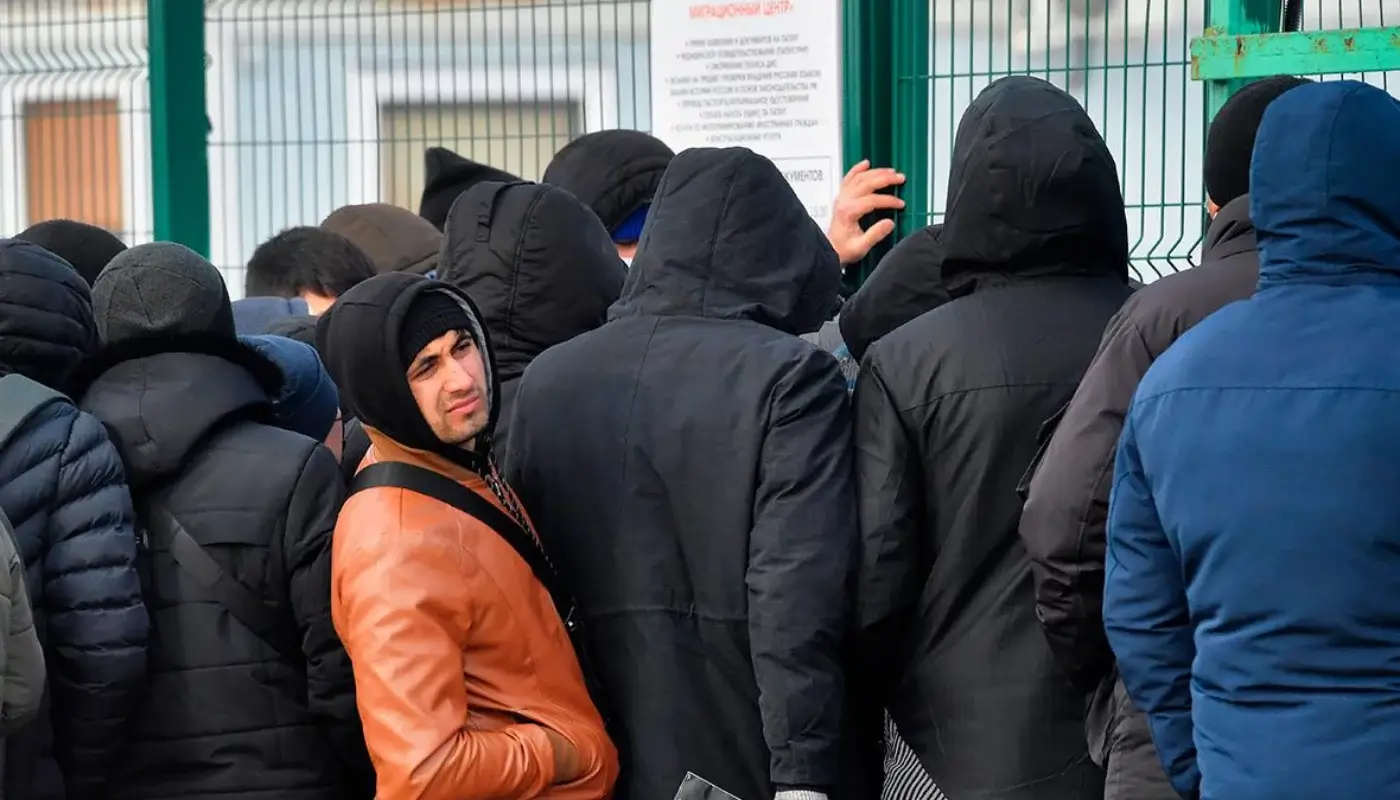
Migration patterns vary across the region, but in several countries labor migration has become a structural economic mechanism rather than a temporary phenomenon.
In Tajikistan, remittances constitute a large share of national income. Estimated proportions of citizens working abroad relative to the working-age population include:
- Kyrgyzstan — ~20.7%
- Tajikistan — ~10.7%
- Uzbekistan — ~8.8%
- Turkmenistan — ~1.9%
- Kazakhstan — ~1.5%
Actual lifetime participation in labor migration is significantly higher due to cyclical and seasonal employment.
Migration produces multiple second-order effects relevant to Western interests:
• skill erosion, as workers perform low-qualification labor abroad;
• growth of informal and criminalized economic sectors;
• exposure of migrants to exploitation and recruitment by armed actors;
• indirect manpower recruitment by Russia for the war against Ukraine, including both military service and logistical labor on occupied territories.
Large migration flows also generate broader social consequences — family separation, community instability, and tensions in host societies — which can feed radicalization processes.
Religious Radicalization and Terrorism Risks
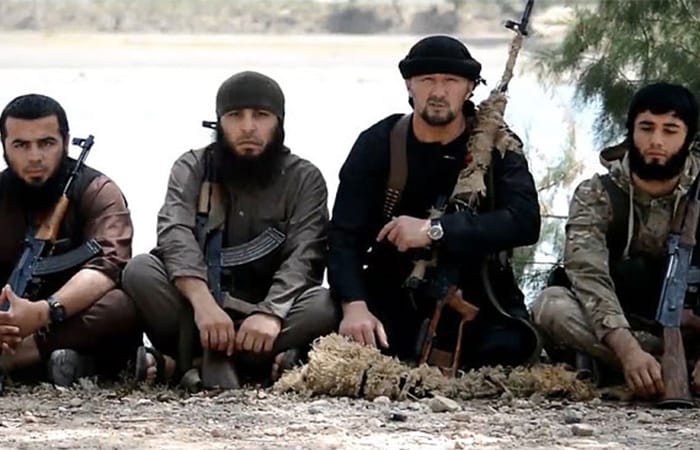
The roots of radicalization in Central Asia are largely structural rather than purely ideological.
Soviet rule weakened traditional Islamic institutions, including theological schools and locally respected religious authorities. After independence, religious revival occurred rapidly, but often without stable local intellectual frameworks. Many believers therefore turned to external religious centers, including some with radical interpretations.
At the same time, post-Soviet political elites — largely derived from former Soviet administrative structures — retained a securitized approach to religion. In several states, restrictions targeted not only extremist groups but also moderate religious actors. Where legal channels for religious participation in public life were limited, religious activity frequently moved into informal networks.
The combination of weak religious institutions and restrictive governance produced two simultaneous outcomes:
- marginalization of mainstream religious communities,
- radicalization of a smaller but significant segment.
Tajikistan illustrates this dynamic particularly clearly. The suppression of moderate political Islamic movements that had renounced violence reduced space for legal participation and contributed to the perception among some groups that peaceful engagement was ineffective.
This pattern appears across much of the region, although to varying degrees. Kazakhstan and Kyrgyzstan have allowed controlled forms of religious participation in social and economic life. Uzbekistan has gradually moderated restrictions in recent years. Tajikistan and Turkmenistan maintain more restrictive policies.
As a result, individuals from Central Asia have formed a noticeable share of transnational extremist organizations. According to estimates by the Soufan Center, approximately 2,046 individuals from the region joined ISIS — roughly 7% of the organization’s foreign fighters.
Following the territorial defeat of ISIS, its Central Asian branch, Islamic State Khorasan Province (ISKP), emerged as one of the most active networks. Its operatives were linked not only to the large terrorist attack in Moscow in 2024 but also to planned operations in Europe identified by Western intelligence services.
For Western policymakers, the implication is clear: internal governance conditions in Central Asia have direct consequences for European and global security.
Interethnic Conflicts and External Risks
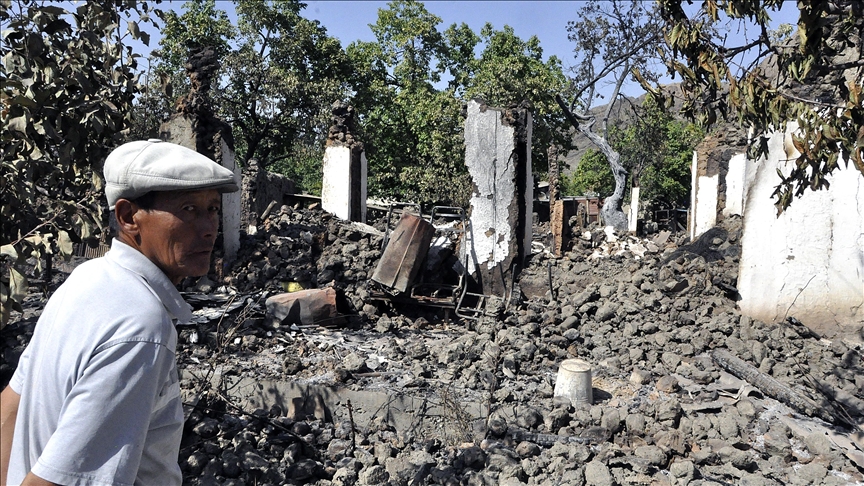
Authoritarian governments across PSCA often present themselves as guarantors of stability. In practice, however, the region has experienced repeated outbreaks of violence with ethnic, regional, or identity dimensions in recent years, including:
- May 2024 — attacks against foreign students in Bishkek (Kyrgyzstan);
- September 2022 — armed clashes along the Tajik–Kyrgyz border;
- July 2022 — unrest in Karakalpakstan linked to constitutional changes affecting the region’s autonomy (Uzbekistan);
- May 2022 — protests in Gorno-Badakhshan (Tajikistan) and their violent suppression.
Earlier precedents demonstrate the scale such tensions can reach. The 2010 Osh violence, for example, resulted in roughly 1,000 deaths in Kyrgyz–Uzbek clashes. The latent potential for escalation remains concentrated in several sensitive zones:
- the Fergana Valley (Uzbekistan–Kyrgyzstan–Tajikistan);
- Osh and Jalal-Abad (southern Kyrgyzstan);
- Batken (Tajik–Kyrgyz border area);
- Sughd (northern Tajikistan and borderlands);
- Zhambyl (southern Kazakhstan, including Kazakh–Dungan tensions);
- Karakalpakstan (Uzbekistan) and Gorno-Badakhshan (Tajikistan).
In many of these areas, tensions are “managed” primarily through repression rather than transparent dialogue, representation mechanisms for minorities, or institutional tools for dispute resolution. This creates a structural risk: crises may appear absent until they erupt suddenly.
There is also an external dimension of conflict risk, including:
- Tajik–Afghan tensions shaped by domestic political strategies and external manipulation;
- the possibility of Russian pressure on northern/western Kazakhstan framed through “protection of Russian-speakers,” echoing precedents from Ukraine.
Growing Chinese Influence
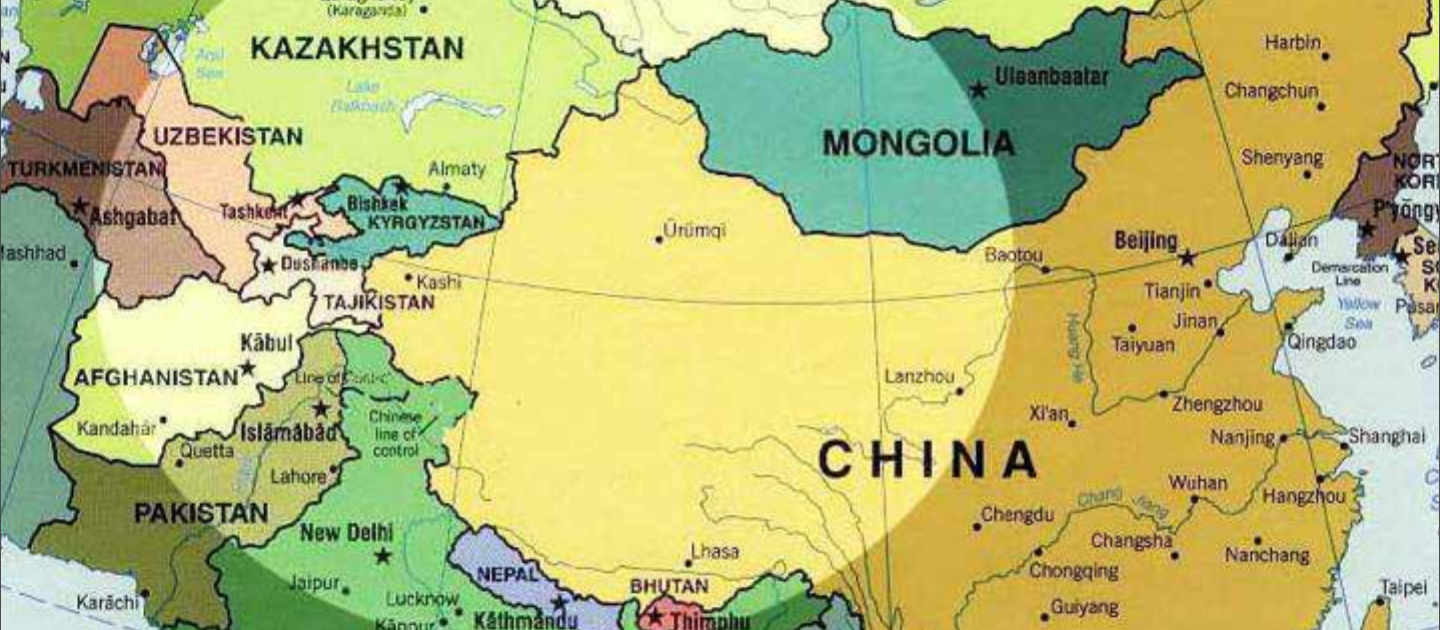
Policies pursued by current regional elites have made China the dominant economic external actor across much of Central Asia, with growing political leverage.
Key indicators include:
- Kazakhstan: China became the largest trade partner; bilateral trade reached about $31.5 billion in 2023, and China’s share of trade exceeded 20%;
- Uzbekistan: China accounts for roughly one-fifth of foreign trade; a multi-billion-dollar financing package was signed in late 2025;
- Kyrgyzstan: China is a leading creditor and a major source of investment;
- Tajikistan: China has overtaken Russia in trade and investment influence, with a significant share of external debt;
- Turkmenistan: China is the primary buyer of Turkmen gas and dominates pipeline gas export flows.
For the West, this trend creates two challenges:
- strategic sectors and infrastructure increasingly align with Chinese standards and financing;
- political decision-making becomes more sensitive to Beijing’s preferences, limiting diversification.
The issue is not China’s presence per se, but the absence of competitive alternatives and the governance weakness that pushes countries toward dependency rather than balanced cooperation.
Vulnerability to Russian Revisionism

Since the dissolution of the USSR, Russia has continued to treat Central Asia as part of its privileged sphere of influence. It has maintained military presence in Tajikistan and Kyrgyzstan and operates strategically significant facilities in Kazakhstan (including ranges and Baikonur).
Russia’s influence has varied across the region. Tajikistan remains deeply dependent on Moscow. Other states have diversified partnerships — especially through expanding cooperation with Turkey, Western countries, and China — reducing direct dependency.
However, regional authoritarian systems remain vulnerable to renewed Russian leverage for a simple reason: in moments of domestic crisis, leaders may prioritize regime survival over strategic autonomy.
Kazakhstan’s decision to request CSTO intervention in January 2022 demonstrated this vulnerability. Russia withdrew quickly largely because it was preparing for the full-scale invasion of Ukraine, not necessarily because it lacked appetite for deeper involvement. Under different conditions — including a frozen conflict scenario in Ukraine — Moscow could pursue more ambitious leverage strategies.
Additionally, Russia can create or amplify destabilization dynamics to generate dependency — either keeping incumbents reliant on Moscow’s support or facilitating the rise of more loyal political forces. Some developments in Kyrgyzstan — including a shift toward increasingly pro-Russian messaging — illustrate how quickly political orientation can change under crisis conditions.
For Western actors, the conclusion is straightforward: engagement that relies exclusively on incumbent elites may deliver short-term transactional gains but increases long-term strategic risk if governance remains brittle and vulnerable to coercive influence.
A Revised Western Lens
For Western policymakers, the key problem with today’s political systems in PSCA is not only their distance from Western democratic standards. More importantly, these systems are often:
- economically inefficient and heavily corrupted;
- institutionally weak and poorly adapted to development challenges;
- vulnerable to coercive external influence;
- prone to sudden destabilization.
These characteristics generate direct costs and risks for the West: reduced investment security, higher security threats, and the possibility of abrupt regional crises.
Conversely, modernization-oriented governments — or incumbents that adjust policy — could substantially expand mutually beneficial cooperation with Western partners by opening access to priority sectors, including:
- oil and gas exploration, production, processing, and export infrastructure;
- extraction and export of critical minerals (rare earths, copper, lithium);
- modernization and construction of airports, seaports, transport hubs, and logistics networks;
- modernization of energy generation and grids, including renewable capacity and related management systems.
In parallel, Western investigative and compliance institutions could contribute to tracing illicit financial flows and recovering stolen assets — through transparent legal mechanisms — with compensation models that incentivize professional participation.
From Values to Strategic Modernization
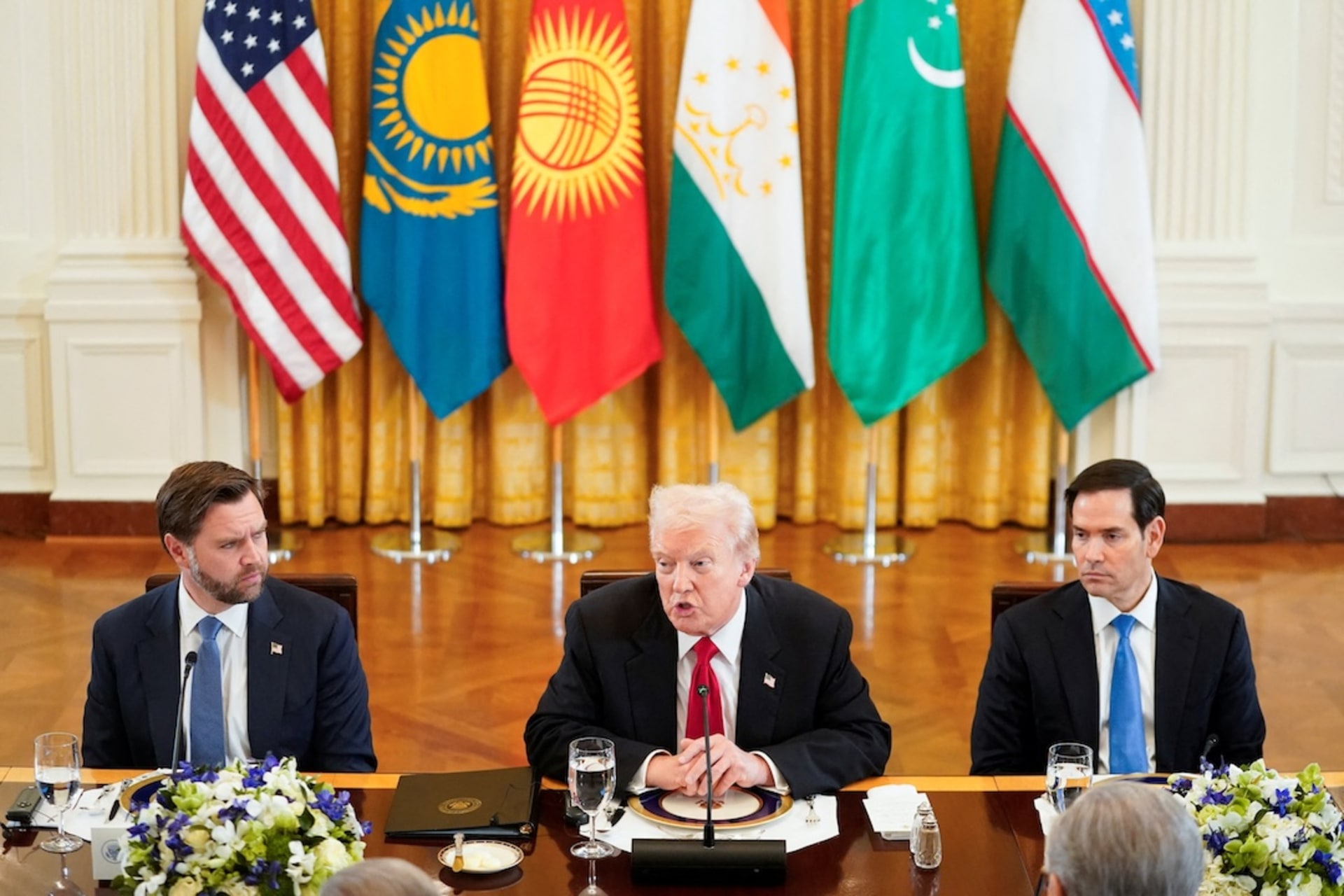
The era in which Western foreign policy was framed primarily through universalist democratization has largely been replaced by strategic and economic pragmatism. Reform advocates in Central Asia should therefore present modernization as a package that advances Western interests — security, diversification, and stability — not as a moral appeal.
At the same time, Western actors should recognize that supporting the status quo — closed, corrupt, institutionally brittle systems — is not genuine realism. It produces two strategic failures:
- the West receives less economic and security benefit than it could under a modernization trajectory;
- the West becomes exposed to the externalities of stagnation, including sudden instability and the potential capture of states by hostile influence networks.
A Practical Engagement Strategy
Modernization-oriented actors propose a realistic strategy that does not require immediate regime change but aims at policy shifts and managed transformation. Key elements include:
• structured dialogue with both governments and credible opposition/civil society actors;
• incentives and conditionality encouraging release of political prisoners, amnesties, de-escalation of repression, and limited liberalization of the public sphere;
• facilitation of national dialogue formats (roundtables) involving incumbents, opposition, and independent experts;
• development of cooperation roadmaps with Western partners in priority sectors, drafted with participation from government experts, opposition experts, and recognized independent professionals;
• establishment of platforms for business, expert, and academic cooperation linking PSCA and Western stakeholders.
This approach prioritizes policy change over immediate political turnover. It creates opportunities for co-opting reform-minded opposition into structured transformation and reduces the likelihood of abrupt revolutionary shocks — provided incumbents demonstrate sufficient political rationality and are willing to use the options offered by Western partners.
